4 steps to battle early signs of brittle bones
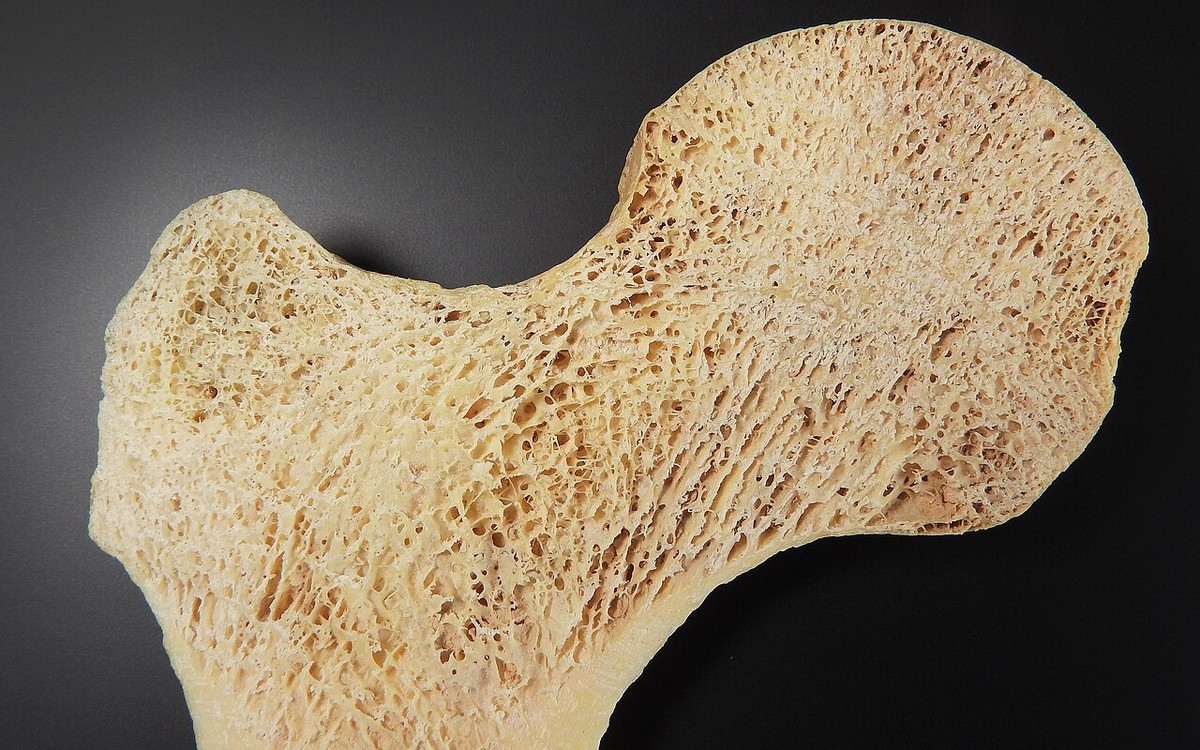
If protecting your bones is not already a top priority, an osteopenia diagnosis will change that. Osteopenia means your bone density is decreasing and your risk of osteoporosis - thin, weak bones that break easily and often - is rising.
Osteopenia can progress slowly or rapidly toward osteoporosis, depending on your health, bringing the potential for fractures, disability, and lost independence into sharp focus. What can you do to lower the risks?
1. Talk to your doctor about medication
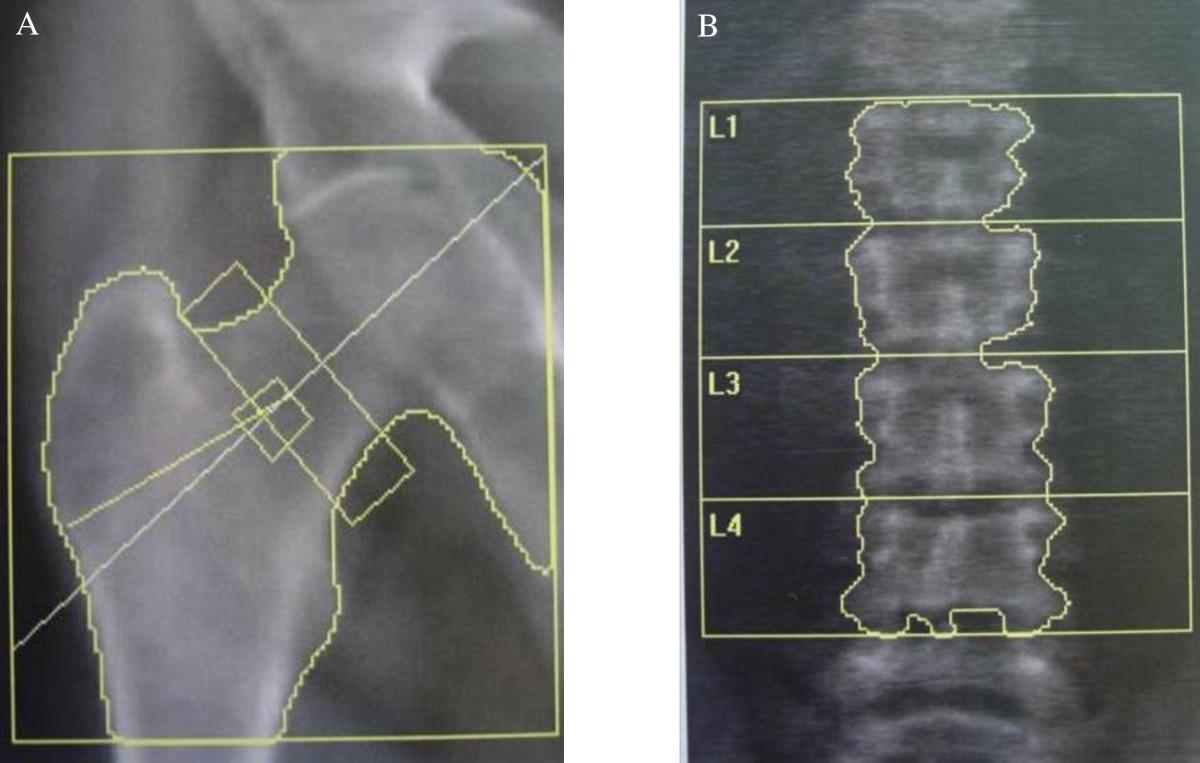
Drugs that slow bone loss and reduce fracture risk are not necessarily the first line of defense against osteopenia. Medications such as alendronate, ibandronate, and risedronate are typically reserved for people with osteopenia plus a previous spine or hip fracture, osteopenia plus a high 10-year fracture risk as calculated by a bone density test (DEXA scan) and a fracture risk assessment (FRAX) score, or outright osteoporosis.
But what if you fit none of those categories? "If you have osteopenia and you're likely to lose bone density over time, one could argue that it makes more sense to take the medication and maintain bone density now rather than try to regain it later," says an endocrinologist who directs an osteoporosis prevention and treatment center.
He suggests a frank discussion with your doctor about the pros and cons of medicating osteopenia - including the rare risks of atypical thighbone fracture and bone loss in the jaw, and the need for a drug holiday every five years.
2. Exercise
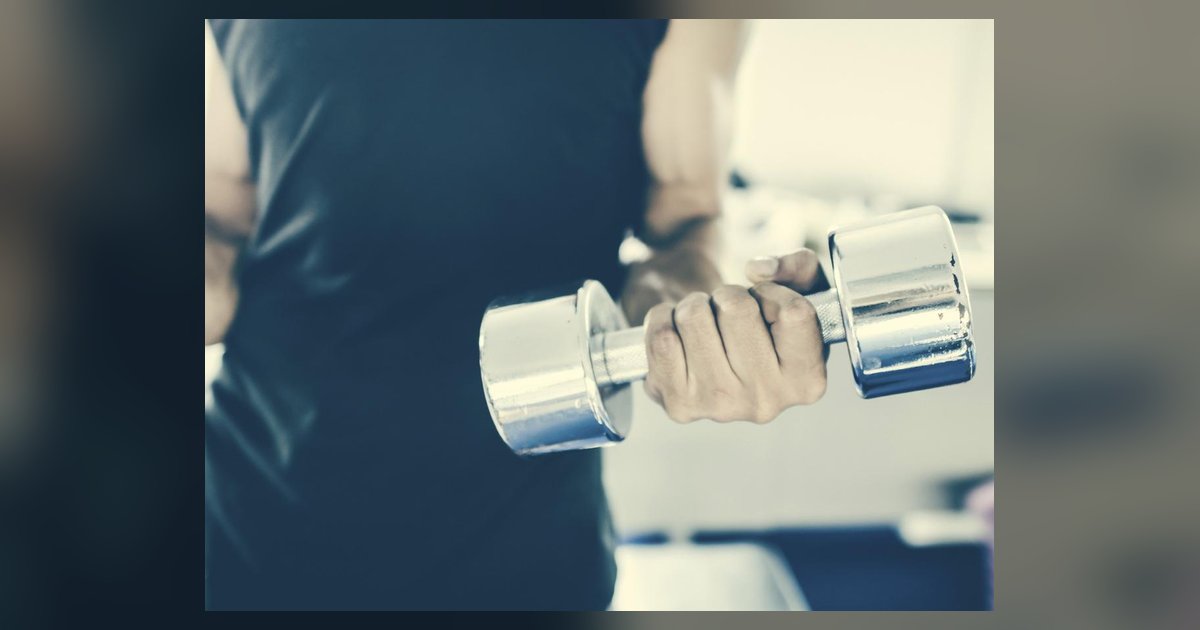
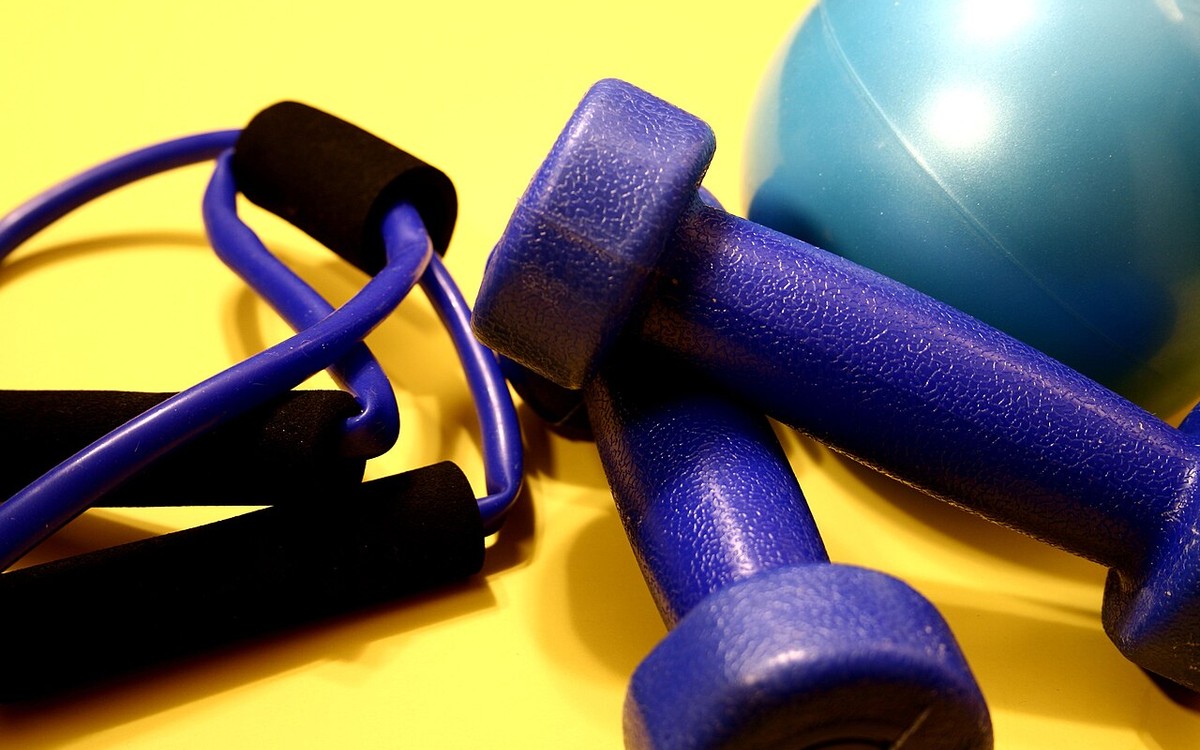
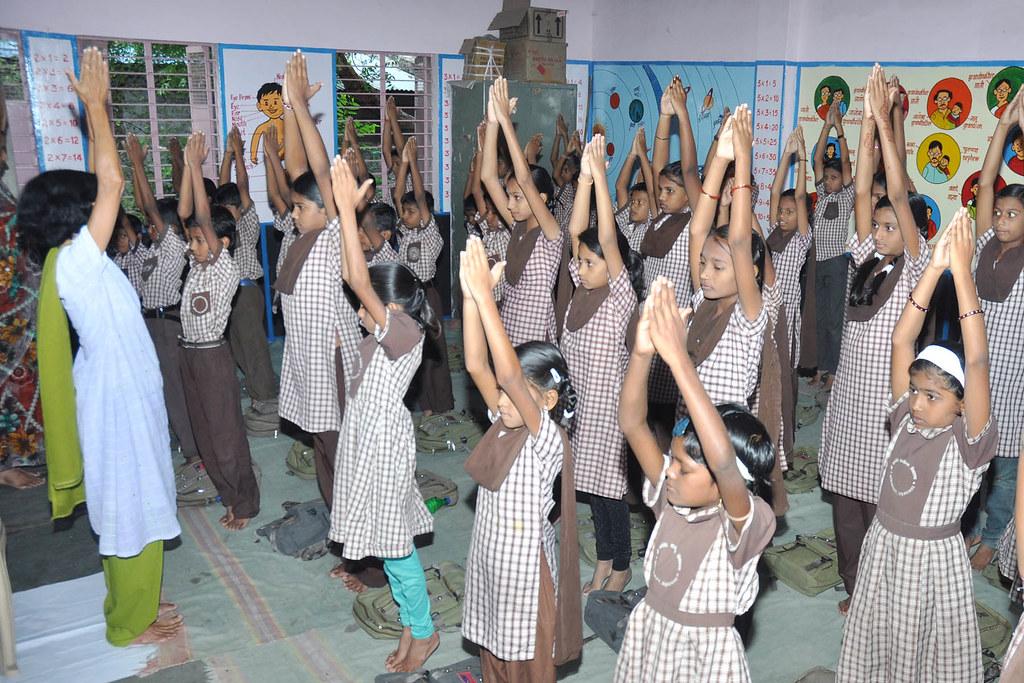
Bones get stronger when we load them and pull on them with our muscles. Weight-bearing exercise - resistance training or body-weight exercises - is an effective way to do that. But we also need aerobic, balance, and posture exercise to fight osteoporosis, the specialist says.
"We have good evidence that simply walking at a brisk pace reduces the likelihood of osteoporosis. You also need to improve your balance so you'll reduce your tendency to fall, and improve your posture to reduce the risk that you'll develop severe curvature of the upper back [kyphosis]. 'Superman' stretches are great for posture. You lie on your stomach for a few seconds at a time, with your head up and your arms and legs stretched out like you're flying," he says.
3. Get the right nutrients
Bones rely on calcium to grow stronger, and your body needs vitamin D to absorb it.
He recommends 1,500 to 2,000 IU of vitamin D3 daily and about 1,000 milligrams of calcium a day. Get as much calcium as you can from food - dairy products, sardines, leafy greens - and fill any gap with a low-dose calcium citrate supplement.
Eat plenty of protein too; it helps build strong bones. Good sources include poultry, fish, legumes, and dairy.
And limit alcohol to no more than one drink a day, since alcohol interferes with bone health.
4. Rattle your bones
One add-on for low bone density is vibration therapy: standing on a small vibrating platform or pad. "The idea is to fool the bones into thinking they're being stressed, so they build up accordingly," he explains.
Large vibration pads exist in clinics, and home versions about the size of a scale are sold - though it is unclear whether the vibrations even reach past your knees. A belt-worn device positioned closer to the hips and low spine is still in development. Either way, he cautions, there is not yet enough proof that any vibration therapy improves bone strength or cuts fracture risk.
Prognosis
Bone loss accelerates significantly after 60, and left alone - especially with osteopenia - it continues. But the steps above can help build bone and stave off osteoporosis. It is a battle we all face with age, and it belongs at the top of the daily to-do list.