5 principles of a healthy diet

What is the healthiest way to eat? It depends who you ask. Many medical and nutrition experts claim to know the "perfect" diet, yet some disagree with each other on fundamentals. So who is right?
Details vary from diet to diet, but all healthy eating plans share five principles:
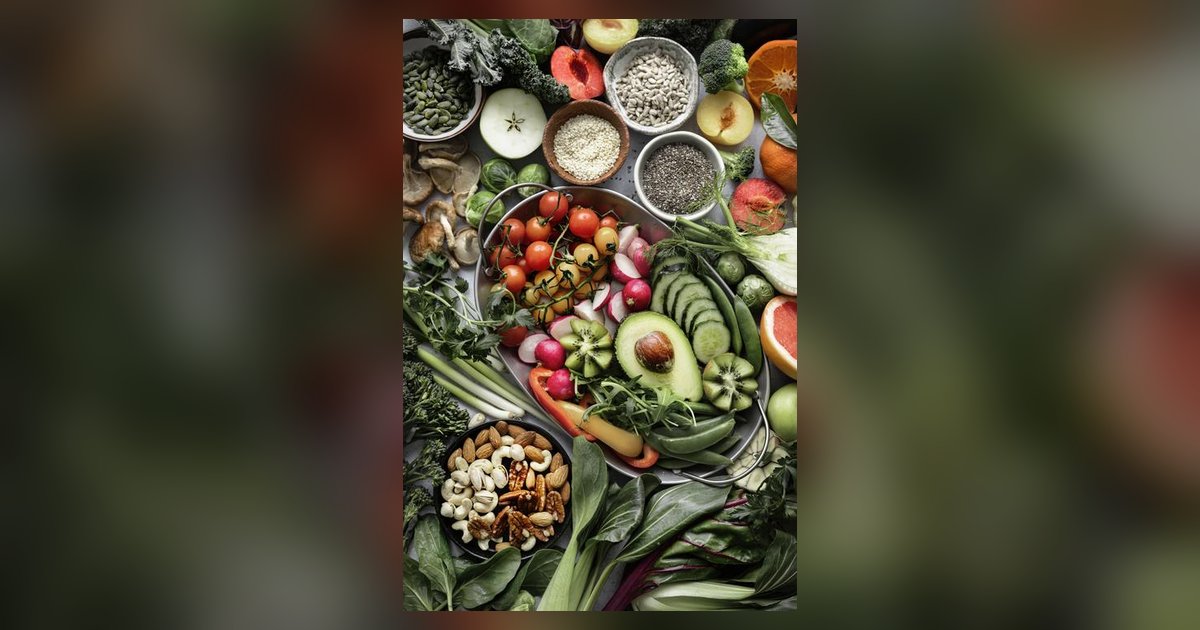
Lots of plants. Plant foods - vegetables, fruits, legumes, whole grains, nuts, and seeds - deliver a wealth of vitamins and minerals, plus fiber and healthful compounds called phytochemicals (literally "plant chemicals," natural substances with antioxidant, anti-inflammatory, and even anticancer activity). Many plant foods are nutrient-rich yet relatively low in calories. That combination, known as nutrient density, makes a plant-heavy diet good for both health and weight loss. Because people often underestimate how much produce they should eat, nutritionists created the Healthy Eating Plate as a picture of a healthy dinner: fully half the plate is fruits and vegetables.
Adequate protein. Abundant research shows eating enough protein matters, but there are many ways to get it, and some are healthier than others. People who limit meat tend to have lower risks of chronic diseases. Plant protein sources (beans, lentils, soy foods, nuts, seeds) and seafood offer the most benefit. Enough protein, together with physical activity, keeps you strong, healthy, and independent.
Minimally processed foods. A 2019 National Institutes of Health study showed definitively that a diet high in ultra-processed foods causes weight gain and unhealthy shifts in blood sugar and cholesterol. For the healthiest diet, lean on whole foods (unprocessed items like broccoli, apples, and almonds) and minimally processed foods (plain yogurt, canned tuna, natural peanut butter). Processing tends to strip nutrients while adding fats, sugars, sodium, and other additives and preservatives.
Limited saturated fats, added sugars, and sodium. The Dietary Guidelines for Americans recommend keeping saturated fat under 10% of daily calories, and the same goes for added sugars. On a 2,000-calorie-a-day diet, that means no more than 200 calories a day from added sugars. Keep sodium under 2,300 milligrams (mg) a day; the average American consumes more than 3,400 mg.
Balance and variety. To meet nutrient needs, choose a variety of nutrient-dense foods across and within all food groups. Nutrient-dense choices deliver what you need without excess calories.