Will lithium supplements be used to fight Alzheimer's one day?
Could lithium supplements eventually help prevent or treat Alzheimer's disease? Early research has raised that possibility, but there is not enough solid evidence to recommend taking lithium to protect memory. Findings in brain tissue and mice are a reason for further research, not a reason to buy a supplement or alter prescribed treatment.
Why lithium attracted attention
Lithium is a naturally occurring metal found in very small amounts in the brain. A study published in 2025 suggested that the brain's own lithium may help maintain normal function, and that reduced availability could be involved early in Alzheimer's disease. That is a research hypothesis, not proof that a person's low lithium level causes dementia.
What the human brain samples showed
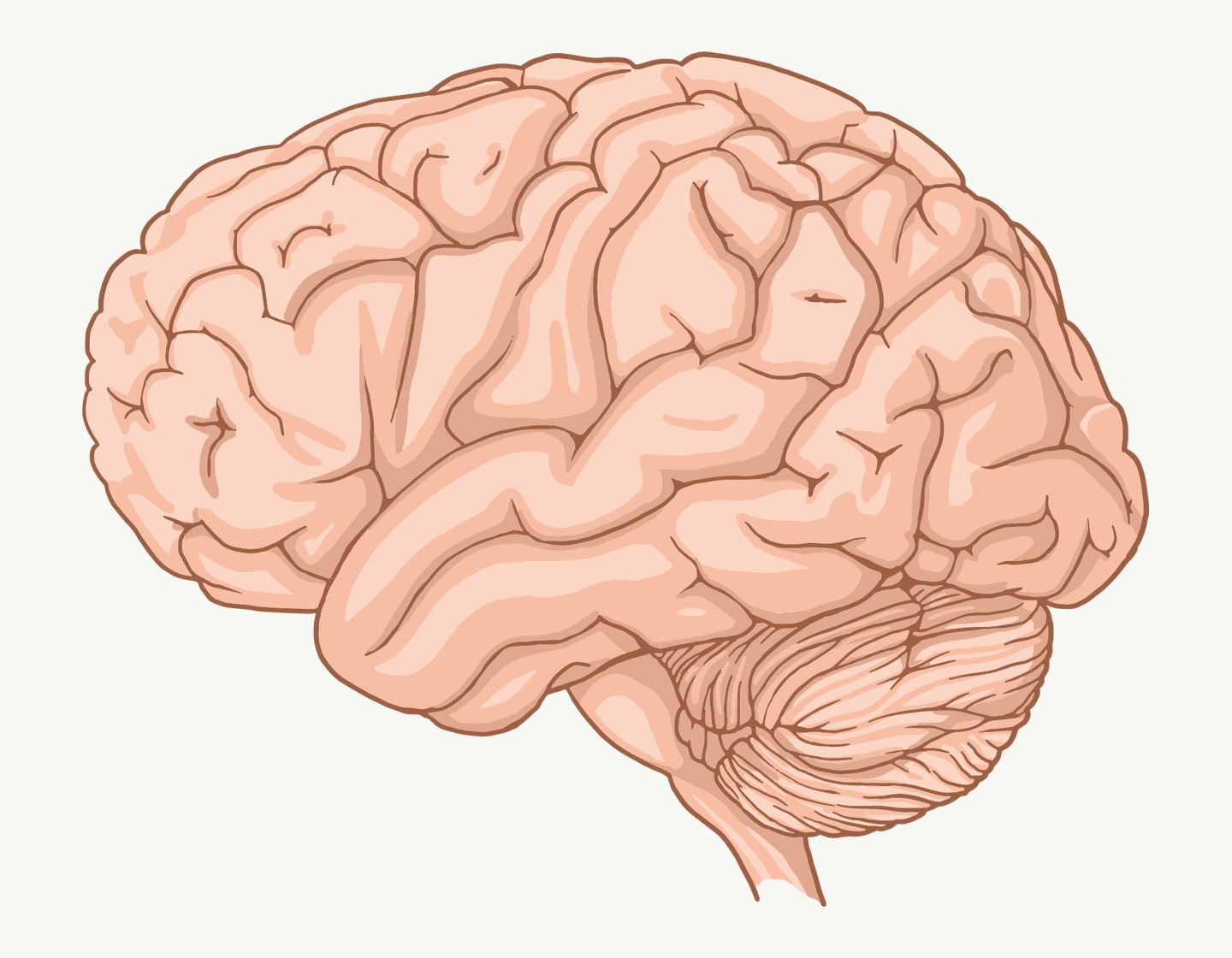
Researchers compared brain tissue from people who had died with Alzheimer's disease, mild cognitive impairment or no cognitive impairment. Among 27 metals examined, lithium was the only one significantly reduced in the prefrontal cortex in both the mild-impairment and Alzheimer's groups. This is a brain region affected by the disease. Mild cognitive impairment raises dementia risk, but does not mean every person will develop Alzheimer's.
Lithium also accumulated in amyloid plaques, deposits of abnormal protein associated with Alzheimer's. The researchers propose that this trapping leaves less lithium available in surrounding brain tissue. The tissue comparisons do not establish that swallowing lithium would prevent disease, and blood lithium levels were not significantly different between the affected groups and controls.
What happened in mice
In mice bred to develop Alzheimer-like disease, lowering lithium in the diet increased amyloid deposits, other disease-like brain changes and problems with memory. Lithium treatment appeared to prevent memory loss and brain changes in these mice and in ageing mice without the same engineered disease. A mouse model reproduces only parts of human illness, so its results cannot establish a safe or effective human treatment.
Different lithium forms are not the same proposal
The experimental treatment used lithium orotate, a form selected because it bound less strongly to amyloid. It is different from lithium carbonate or citrate used as prescription treatments for bipolar disorder. The original report describes lithium orotate being marketed as an over-the-counter supplement for mood or stress in a United States context; that does not confirm approval, availability or efficacy for this purpose in Australia.
The source does not identify lithium orotate as an approved treatment or prevention for human disease. Human trials are needed to determine whether this particular approach helps, which people might benefit, what dose is appropriate and what harms could occur. Earlier or separate studies of other lithium treatments do not settle those questions. No supplement dose can be recommended from the mouse findings.
Current trial context: on 15 November 2026, a registered phase 1/2 study at Johns Hopkins University was listed as not yet recruiting, with an estimated 40 participants and a planned start of 1 December 2026. It will compare lithium orotate with placebo and assess feasibility, safety, tolerability and biological measurements. A trial listing is a research plan, not a treatment result or proof of benefit.
Why self-treatment can be risky
Prescription lithium can be an important treatment for bipolar disorder, but too much can harm the kidneys, thyroid and nervous system. People taking it need regular blood tests and medical monitoring. Other medicines and supplements can interact with treatment. Do not add a lithium product, change the dose, or stop prescribed lithium because of dementia research; speak with your doctor or pharmacist.
If you take lithium and develop vomiting, diarrhoea, unusual drowsiness, unsteadiness, concentration problems or difficulty controlling movements, seek urgent medical advice or emergency-department assessment because these can be signs of lithium toxicity. Call 000 for a medical emergency.
The useful conclusion is cautious interest: the research points to a possible biological pathway, not an established Alzheimer's breakthrough. Discuss persistent memory changes with a clinician rather than assuming a supplement can correct them. This is general information, not an individual diagnosis or treatment plan.