COPD symptoms: How to spot them early
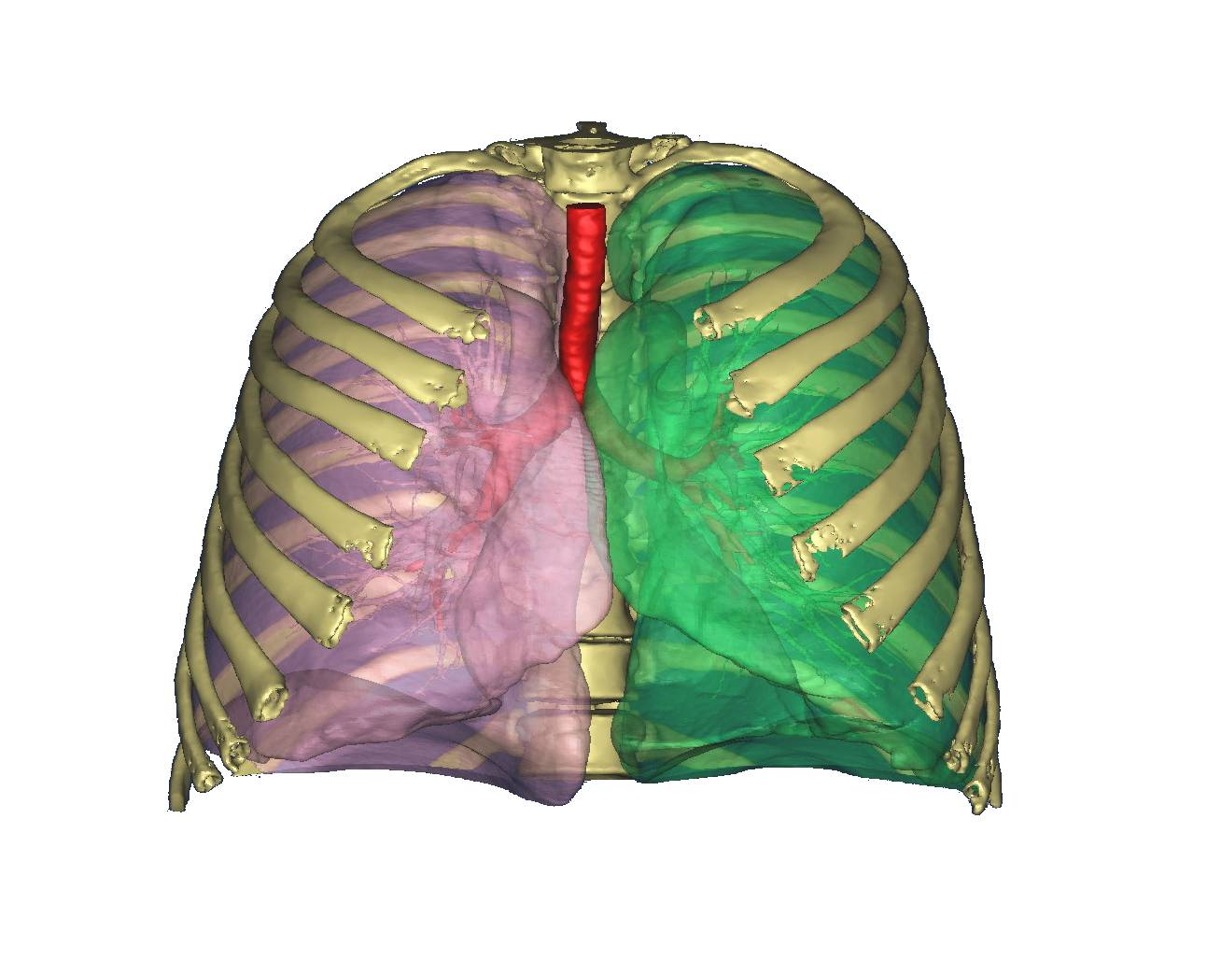
A cough that lingers and breathlessness on stairs are easy to dismiss as age, poor fitness or the remains of a cold. But new or gradually worsening breathing symptoms deserve a medical check, particularly after smoking or repeated exposure to lung irritants. Chronic obstructive pulmonary disease (COPD) can begin quietly, and recognising it early can make treatment more useful.
Why the early changes are missed
The source report describes a 65-year-old former smoker who treated a persistent cough as a lingering cold, became short of breath on stairs and gradually reduced everyday activity. That pattern shows how people can adapt to worsening symptoms without recognising the change. A person may blame weather, getting older, losing fitness or repeatedly catching infections instead of considering a lung problem.
Do not assume that every episode of breathlessness is COPD. Its symptoms overlap with several other conditions. The important step is to discuss breathlessness that is new, changes over time or occurs with less effort than before with a doctor, rather than diagnosing yourself.
What COPD does to the lungs
COPD is a long-term lung disease in which airflow is restricted, making breathing harder. Damage or changes can involve the airways and the tiny air sacs called alveoli. Emphysema and chronic bronchitis are the two common conditions within COPD. The source cites at least 11 million affected people in the United States and describes COPD as a major worldwide cause of death; the US figure is not an Australian estimate.
Symptoms worth bringing to a doctor
Watch for shortness of breath during activity, a cough that does not settle and unusual tiredness. Other clues include producing more mucus or phlegm, occasional wheeze or a tight chest, taking longer than expected to recover from a chest infection, and having to stop midway through an ordinary task to catch your breath. Early symptoms can be mild or intermittent, and some people initially have no obvious symptoms.
Symptoms may worsen for a period and then improve. A sudden worsening is called an exacerbation or flare-up, often linked to a respiratory infection or an irritant. This fluctuating pattern can be a clue, but COPD does not always follow it, and temporary improvement does not remove the need for assessment.
Other explanations must be considered
Similar symptoms can come from gastroesophageal reflux disease (GERD), heart failure or other heart disease, asthma, bronchiectasis, interstitial lung disease or allergies. Bronchiectasis involves damaged airways; interstitial lung disease affects lung tissue. Medicine side effects can also matter, including cough associated with ACE inhibitors used for high blood pressure, heart failure or chronic kidney disease. Tell the doctor about all medicines, but do not stop prescribed treatment on your own.
A breathing test helps establish the diagnosis
A doctor considers symptoms, smoking history, work and environmental exposures and a full examination. COPD needs confirmation with spirometry, not symptoms or a chest image alone. Spirometry measures how much air you breathe out and how quickly. Testing before and after an inhaled bronchodilator, a medicine that opens the airways, helps assess persistent airflow limitation and distinguish possible causes. Other tests may be needed to investigate alternatives or complications.
Treatment can help even though there is no cure
COPD has no cure, but treatment can ease breathing, reduce flare-ups and help slow worsening. Care commonly includes one or more prescribed inhaled medicines. The course differs between people: some worsen quickly, while others remain more stable. The aim is to control symptoms and reduce future exacerbations rather than promise that everyone will follow the same course. Use medicines as prescribed and ask a doctor or pharmacist to check inhaler technique.
Stopping smoking is especially important for limiting further lung damage. Pulmonary rehabilitation combines supervised exercise and education to help breathing, physical ability and day-to-day management. Keeping recommended vaccinations up to date is another important part of care. A personal management or action plan can explain usual treatment and what to do when symptoms change.
People who have never smoked can also develop COPD
Smoking is the main risk factor, and former smokers can remain at risk, but it is not the only one. Repeated exposure to air pollution, dust or chemicals at work or during a hobby, and years of secondhand smoke can also contribute. A smoking history should prompt assessment, not become a reason to overlook symptoms in someone who has never smoked.
The source describes a study of about 412,000 people, published in June 2026, that linked tobacco-smoke exposure during childhood or before birth with higher adult COPD risk. This is evidence of an association, not a prediction that every exposed child will develop the disease.
Long-term exposure to biomass smoke is another recognised risk. Biomass fuels include wood, plant or crop material and animal waste used for energy, cooking or heating. Coal smoke can also be harmful, although coal is not a biomass fuel. People who grew up around smoky indoor cooking or heating may carry risk even without smoking themselves; combined tobacco and household-fuel smoke exposure can increase risk further.
When to seek help in Australia
Arrange a medical review if you become breathless with less effort, develop a persistent cough or notice repeated chest infections. If you already have COPD and breathing or cough becomes worse than usual, phlegm increases, fever develops or you tire much more easily, seek prompt medical advice and follow your action plan. Do not wait for a routine appointment if symptoms are severe.
Call triple zero (000) for an ambulance if breathlessness makes it hard to talk, walk or sleep, if the person is confused or unusually drowsy, if lips or nails turn blue or grey, or if there is a very fast or irregular heartbeat with breathing difficulty. This is general information, not an individual diagnosis or a reason to change prescribed medicines without medical advice.