Fear of falling: Do you have an emergency plan?
Full content updated: 2026-11-15
A fall can happen despite careful prevention. The original November 2024 US article noted that about one in four adults aged 65 or older reported falling in a year. Planning while you are well can make it easier to get help and manage recovery if an accident occurs.
Choose someone who can help
Arrange a local emergency contact, especially if you live alone. Choose someone who can help with decisions, transport and recuperation. Keep their details where you can reach them. The same person may also be suitable to make health decisions if you cannot, but that role needs a separate legal appointment.
The original US article describes a health-care proxy and a durable power of attorney for health care, with documents available through state health agencies, nonprofit organisations or a lawyer. Those descriptions concern the US setting. Names, signing requirements and legal effects vary by jurisdiction; do not assume the same document or notarisation rule applies where you live.
Consider an alert device
A pendant or wrist-worn alert button can contact designated helpers or emergency services if you cannot reach a phone. Devices may use a mobile connection or a landline; some detect falls automatically. Phones, smartwatches and smart speakers can also have emergency features. Check which contacts a service actually calls and how it works in your home.
The dated US source quoted subscription costs of US$20 to US$50 a month, sometimes with separate equipment charges. These are historical source figures, not a current Australian price or a verified offer.
Assess the situation and get help
After a fall, if you can, notice whether you hit your head, lost consciousness, are bleeding, have pain, or have changes in movement or sensation. Get help promptly rather than assuming everything is fine. Severe bleeding, inability to move because of hip or back pain, loss of consciousness, or sudden neurological symptoms need emergency help. In Australia call 000; in the United States call 911. Elsewhere use the local emergency number.
The source advises emergency-department assessment after a head strike, particularly when taking blood-thinning medication, because serious bleeding may not be obvious at first. If there was no head strike, no pain and no movement difficulty, ask your usual doctor whether an appointment is needed. This is not a reason to delay emergency care when serious symptoms are present.
Symptoms can appear hours or days later. Watch for headache, dizziness, loss of balance, weakness, numbness, speech problems, faintness, bladder or bowel changes, muscle or joint soreness, neck or back pain, or blurred vision. Report new symptoms promptly. Sudden weakness, speech difficulty, severe headache or collapse should be treated as an emergency rather than waiting for a routine appointment.
Make the surroundings safer
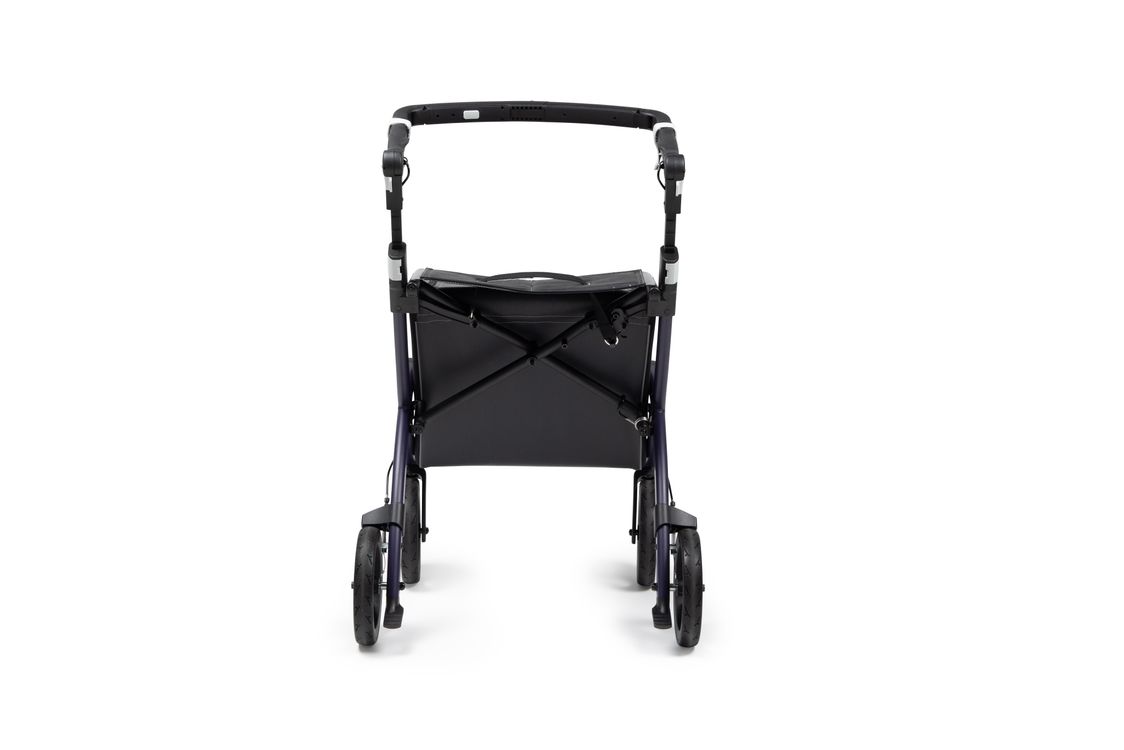
Remove loose rugs, floor-level electrical cords and furniture that blocks walking routes. Secure handrails and maintain working lights. Bathroom grab bars, nonslip treads and night lights can help. Use a prescribed cane or walker rather than relying on furniture.
When getting out of bed, sit up first, pause to orient yourself, then stand and wait briefly before walking. Discuss poor balance, vision changes, painful joints and possible medication effects with a clinician. These can contribute to falls and may need a personalised prevention plan.
Plan for assessment and recovery
A medical assessment may explore the cause of the fall, include a physical examination, review medicines and test vision, balance and thinking. Depending on the injury, clinicians may arrange X-rays or brain imaging. A serious fracture can require surgery. Recovery may involve rehabilitation, physiotherapy or follow-up appointments. The tests and treatment depend on the person and the findings, not a fixed checklist for every fall.
Think ahead about groceries, meals, personal care, transport and the cost of temporary help. Discuss reliable care services and recovery options with family or the person appointed to support health decisions. Advance preparation does not mean a fall is inevitable; it reduces the number of decisions you would have to make while hurt or frightened.