Greek yogurt: Health benefits, protein content, and how to choose the best option
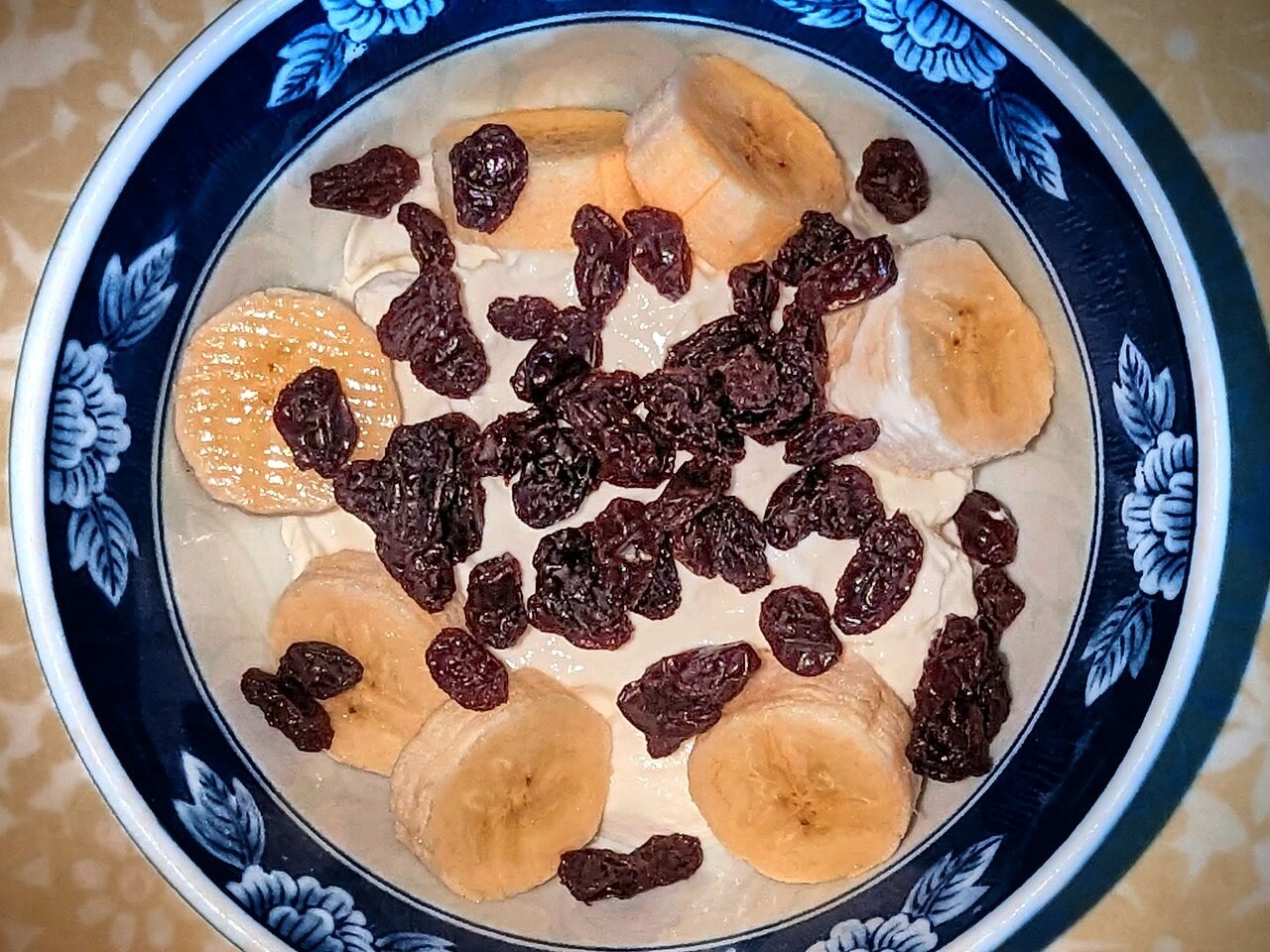
Greek yogurt is usually thicker and higher in protein than regular yogurt, but its name alone does not tell you how nutritious a particular tub is. Fat, added sugar, calcium and portion size vary widely. Plain versions can be a useful everyday food, while flavoured cups and frozen treats may be closer to dessert.
Why straining changes the texture and nutrients
Both regular and Greek yogurt start with milk fermented using live bacterial cultures. Greek yogurt is strained further, removing much of the liquid whey. Comparable straining methods are used for Icelandic-style yogurt, some Australian-style strained yogurts and Middle Eastern labneh. The extra step concentrates solids, creating a thicker, creamier food.
Straining concentrates protein and, in whole-milk versions, fat. Some lactose, the natural sugar in milk, leaves with the whey, so carbohydrates can be roughly half those in a comparable regular yogurt. Live cultures also help break down lactose. This can make yogurt easier to tolerate for some people with lactose intolerance, but tolerance varies and neither product should automatically be assumed lactose-free.
A July 2026 review described Greek yogurt as a major part of the US yogurt market, accounting for at least half of an estimated 14 pounds of yogurt eaten per American each year. That is market context from the United States, not an Australian intake recommendation. Demand for convenient protein has helped expand the range, including nondairy products and frozen desserts whose nutrients can differ substantially.
Protein is higher, but calcium may be lower
A typical portion of plain Greek yogurt supplies roughly twice the protein of regular yogurt. Some calcium drains away with the whey, however, so regular yogurt can provide more calcium in the same weight. Greek yogurt still contributes calcium, phosphorus and magnesium for bone health, along with vitamins A and B12; some brands add vitamin D. Check the label rather than assuming all products have the same fortification.
Live cultures and health research
Yogurt can provide live organisms that support gut function. But probiotic benefits depend on the organisms, amount and outcome studied. Fermented foods such as kefir, sauerkraut and kombucha are often discussed alongside yogurt, yet a fermented product is not automatically a proven probiotic treatment, and processing can remove live cultures.
A 2025 observational study found that people who regularly ate yogurt had lower rates of certain colorectal cancers. An association does not prove that yogurt prevented cancer, and it is not a reason to replace screening or treatment. Research into possible probiotic effects on dental cavities, liver disease, hay-fever symptoms, digestion and immune function is continuing; findings should not be treated as established benefits of every yogurt.
How to compare products
Compare the same quantity, using the per-100-gram column where available, as single-serve tubs can range from about 5 to 8 ounces. Look for more protein, less saturated fat and little or no added sugar. Plain yogurt lets you control toppings rather than accepting the sweetness built into a flavoured product. A small drizzle of honey still adds sugar.
Fruit can add sweetness and flavour. Fruit-on-the-side cups allow you to stir in only part of a jam-like mixture, such as half or less. A serving tip is to let berries release their juice into plain yogurt, but simply thawing frozen fruit is not a food-safety treatment. Follow pack instructions; pregnant people, older adults and people with weakened immunity should choose freshly prepared washed fruit or thoroughly cooked frozen fruit, cooled safely before adding. Keep yogurt refrigerated.
One dietitian quoted in the 2026 review preferred stevia or monk fruit to aspartame or sucralose, citing emerging microbiome research. That is a preference, not proof that natural sweeteners are healthier for everyone. Australia and New Zealand assess permitted intense sweeteners for safety at approved uses and levels. Unsweetened yogurt is an option if you prefer to avoid both added sugar and intense sweeteners.
Candy and sweetened granola mix-ins can quickly turn a snack into a sugary dessert. Small amounts of nuts or dried fruit can provide crunch or sweetness, with portions chosen to suit your needs. Whole-milk Greek yogurt may contain substantial saturated fat. Although research on dairy fat and heart risk is complex, low-fat versions can be an easier fit in a heart-healthy eating pattern.
Frozen yogurt bars and similar treats may contain relatively little yogurt and considerable added sugar. Think of them as desserts with some nutrients rather than a nutritional equivalent to a daily bowl of plain yogurt. Nondairy alternatives also vary in protein, calcium and other nutrients, so compare their labels separately.
Nutrition examples, not promises about every brand
The following examples reproduce the numerical comparisons in a July 2026 review. Each yogurt portion is 6 ounces, about 170 grams, unless the smaller frozen bar is specified. Figures are calories, protein in grams, added sugar in grams and calcium in milligrams, in that order. Added sugar is different from total sugar, which can include natural lactose. Brand recipes and serving sizes change, so the label on the product you buy takes priority.
Plain regular, whole milk: 133 calories; 6 g protein; 0 g added sugar; 216 mg calcium.
Plain regular, low-fat: 90 calories; 7 g protein; 0 g added sugar; 270 mg calcium.
Plain regular, nonfat: 85 calories; 7 g protein; 0 g added sugar; 284 mg calcium.
Plain Greek, whole milk: 160 calories; 15 g protein; 0 g added sugar; 189 mg calcium.
Plain Greek, low-fat: 120 calories; 15 g protein; 0 g added sugar; 195 mg calcium.
Plain Greek, nonfat: 104 calories; 18 g protein; 0 g added sugar; 189 mg calcium.
Vanilla Greek, whole milk: 170 calories; 14 g protein; 11 g added sugar; 170 mg calcium.
Vanilla Greek, low-fat: 160 calories; 13 g protein; 14 g added sugar; 130 mg calcium.
Vanilla Greek, nonfat: 130 calories; 14 g protein; 11 g added sugar; 195 mg calcium.
Strawberries-and-cream frozen Greek-yogurt bar, 2.2 ounces (about 62 grams): 80 calories; 4 g protein; 8 g added sugar; 90 mg calcium.
Choose yogurt for how it fits your overall diet, preferences and health needs, not for a single number or a promise to prevent disease. If you have a milk allergy, a restricted diet or a condition affecting nutrition, ask your clinician or dietitian which options suit you.