Meditation techniques: How to meditate for stress, sleep, and focus
Meditation brings deliberate attention to an experience such as breathing, sound, movement or sensation. With regular practice, some people notice modest improvements in stress, mood, attention or sleep. It is a skill to practise, not a requirement to empty the mind, and it should complement medical or psychological care rather than replace it.
Meditation and mindfulness are related, but different
Meditation is a broad group of mind-body practices used for thousands of years. Attention may rest on breathing, a repeated word or phrase called a mantra, a visual image, a sound or a physical sensation. People may use it to feel more present, manage daily stress or support care for pain and other health conditions.
Mindfulness means noticing the present moment, including thoughts, feelings and sensations, without immediately judging them. Meditation provides structured practice for developing that awareness. Mindfulness can also be used while eating, walking, showering or listening to someone, outside a formal meditation session.
What health research does and does not show
Mindfulness-based programs have been associated with improvements in anxiety, stress and mood. Results vary with the program, the condition being studied and the comparison treatment. A benefit in a supervised clinical program does not guarantee the same result from every meditation app or an occasional short session.
For chronic pain, one pooled analysis of 30 studies found a small but noticeable improvement compared with control groups. Many included studies were small or had limited quality, so the finding should not be read as a cure or a reason to stop pain treatment.
Some small studies involving people with Parkinson's disease, people receiving haemodialysis and nursing students have reported changes in inflammatory markers. It is not clear whether these changes produce meaningful health benefits or whether meditation can prevent or treat inflammatory disease.
Several studies of mindfulness-based stress reduction, often shortened to MBSR, have found improvements in symptoms and quality of life for people with irritable bowel syndrome. This is a possible supportive approach, not a substitute for investigating persistent or new digestive symptoms.
A review of 18 studies involving 1,654 people found better sleep quality with mindfulness meditation than with educational approaches. It did not establish that meditation was more effective than treatments such as cognitive behavioural therapy or exercise. Brain-imaging research also links regular practice with structural and functional differences in areas involved in attention, learning and emotion, but a scan difference is not itself proof of a clinical benefit.
Keep it part of care, not a replacement
Meditation can be used alongside psychotherapy, medicines, surgery or other medical procedures, rehabilitation and healthy lifestyle changes. Do not use it to delay assessment or treatment. Tell your healthcare team about complementary practices you use, and ask a program instructor about training and experience before joining.
Meditation is often described as low risk, but safety studies are limited and some people experience distress. A 2020 review of 83 studies involving 6,703 participants estimated negative effects in about 8%, most often anxiety or depression. That does not predict an individual's risk or prove that every form of practice has the same risk. If symptoms or distress intensify, pause and discuss the experience with a healthcare professional.
Expect small changes, not instant transformation
Early changes may be subtle: a short pause before reacting to stress, slightly steadier attention or an easier return to sleep after waking. Some people notice changes within a few weeks of regular practice, while others take longer. Noticing stress more clearly can initially feel uncomfortable, so do not assume that every increase in awareness means the practice is helping; seek advice if distress grows.
Start with about five minutes once a day on most days, then gradually work toward 10 to 20 minutes if it suits you. A short, repeatable practice is more useful than chasing a duration that does not fit your life. After a session, briefly notice how your body and mood feel without demanding a particular result.
A wandering mind is expected. The task is to notice that attention has moved and gently return it to an anchor, such as breathing or the contact of your body with the chair. Repeating this is part of the practice, not failure. Let thoughts pass without following each one, using curiosity and kindness rather than self-criticism.
Set up a simple session
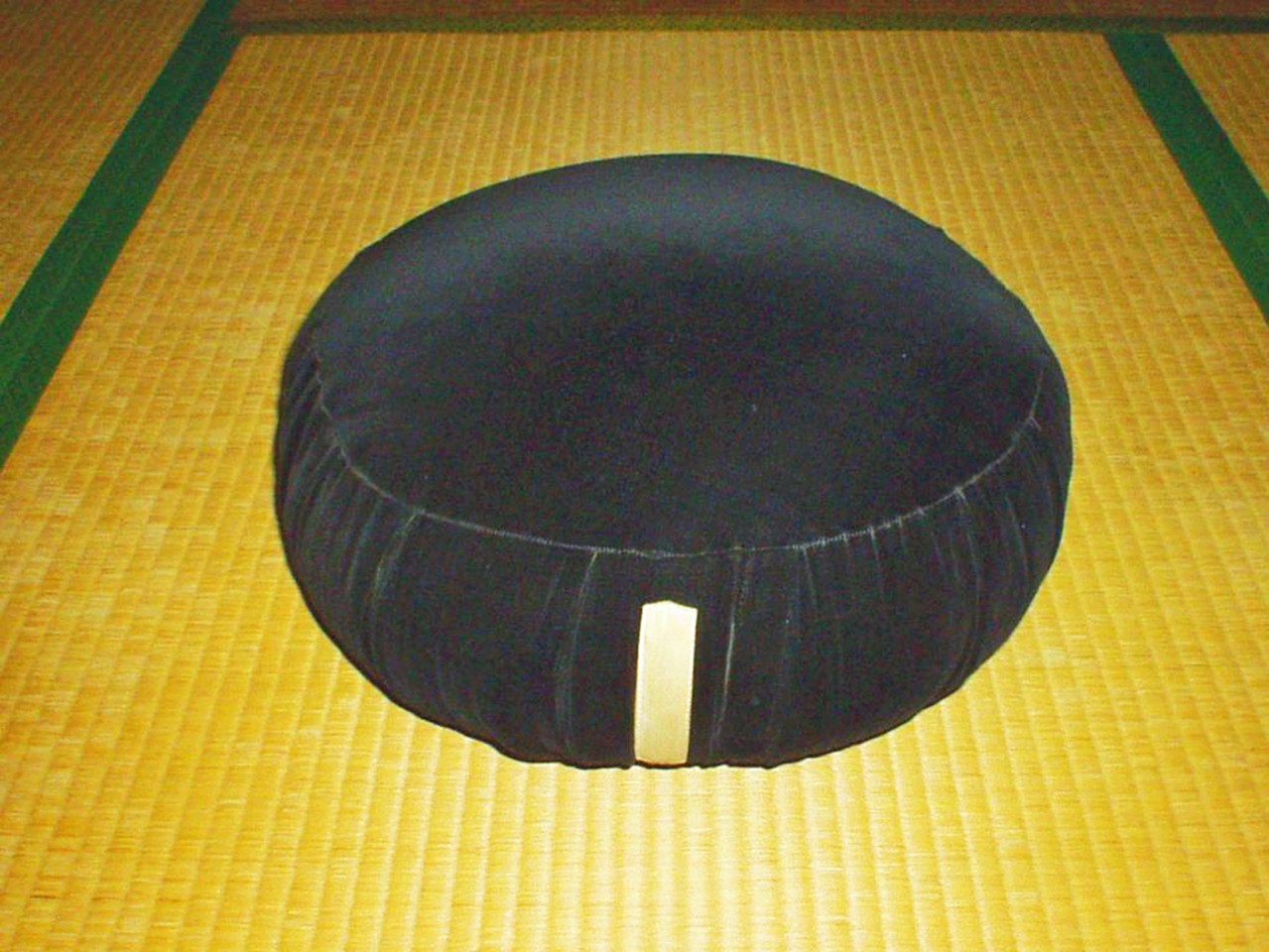
Choose a realistic time: morning to begin the day, midday for a pause, or evening to wind down. Find somewhere you are unlikely to be interrupted, whether at home, work or outdoors. Aim for comfortable temperature and gentle lighting; a cushion or timer can help, but special equipment is not necessary.
For sitting practice, use a chair with your back supported and feet on the floor, or a cushion or folded blanket with hips slightly raised. Keep the spine naturally upright, shoulders relaxed and hands in your lap or on your knees. Lying down, standing or walking are other options, though sitting can be a simple starting point. Adapt posture to your body rather than forcing it.
Breathing-focused practice
Sit or lie comfortably. Close your eyes if comfortable, or lower your gaze. You can place one hand on your chest and the other on your abdomen. Notice a comfortable breath moving in, then a gentle breath moving out, and the rise and fall beneath your hands. You might silently label these as breathing in and breathing out. When distracted, return to that sensation. Do not force unusually deep breaths.
Slow breathing can support relaxation and may slow the heart rate or lower blood pressure. Other attention anchors include a repeated sound or word, a flower or other object, a visualised place or goal, or simply observing thoughts without following them. Choose an anchor that feels manageable rather than one that increases tension.
Box breathing
This technique uses four equal phases, imagined as the sides of a square: breathe in for four counts, pause for four, breathe out for four, then pause for four before repeating. It is offered as a way to organise attention and breathing, not a requirement to tolerate discomfort. If breath-holding feels unpleasant, return to comfortable normal breathing; stop if you feel unwell and ask for individual advice if needed.
A body scan for winding down
A body scan can take about 10 to 15 minutes and may fit a bedtime routine. Sit comfortably or lie down, keeping breathing easy. Begin with your feet and notice sensations, tension or pain. Move attention gradually through shins and knees, thighs and hips, lower back and abdomen, chest and upper back, neck and shoulders, then the head. Allow tension to soften where possible without demanding that pain disappear.
Meditation through movement
Yoga can combine gentle movements, unhurried transitions and attention to breathing. Tai chi uses slow flowing movement with controlled breathing and is sometimes described as moving meditation. Research, including studies in older adults, suggests possible benefits for balance, arthritis discomfort and stress. Adapt movements to physical limits and get advice when a condition affects safe exercise.
Make the routine easy to repeat
Link a short practice to something already in your day, such as morning coffee, a lunch break or getting ready for bed. A calendar reminder, guided audio, an app such as Headspace or Meditation Oasis, or a structured program may support consistency. If using a teacher or program, check experience and whether the approach suits your needs. Missing a day is not failure; restart gently and judge the practice by how it fits your health and life.