Vitamins, minerals, and hair loss: Is there a connection?
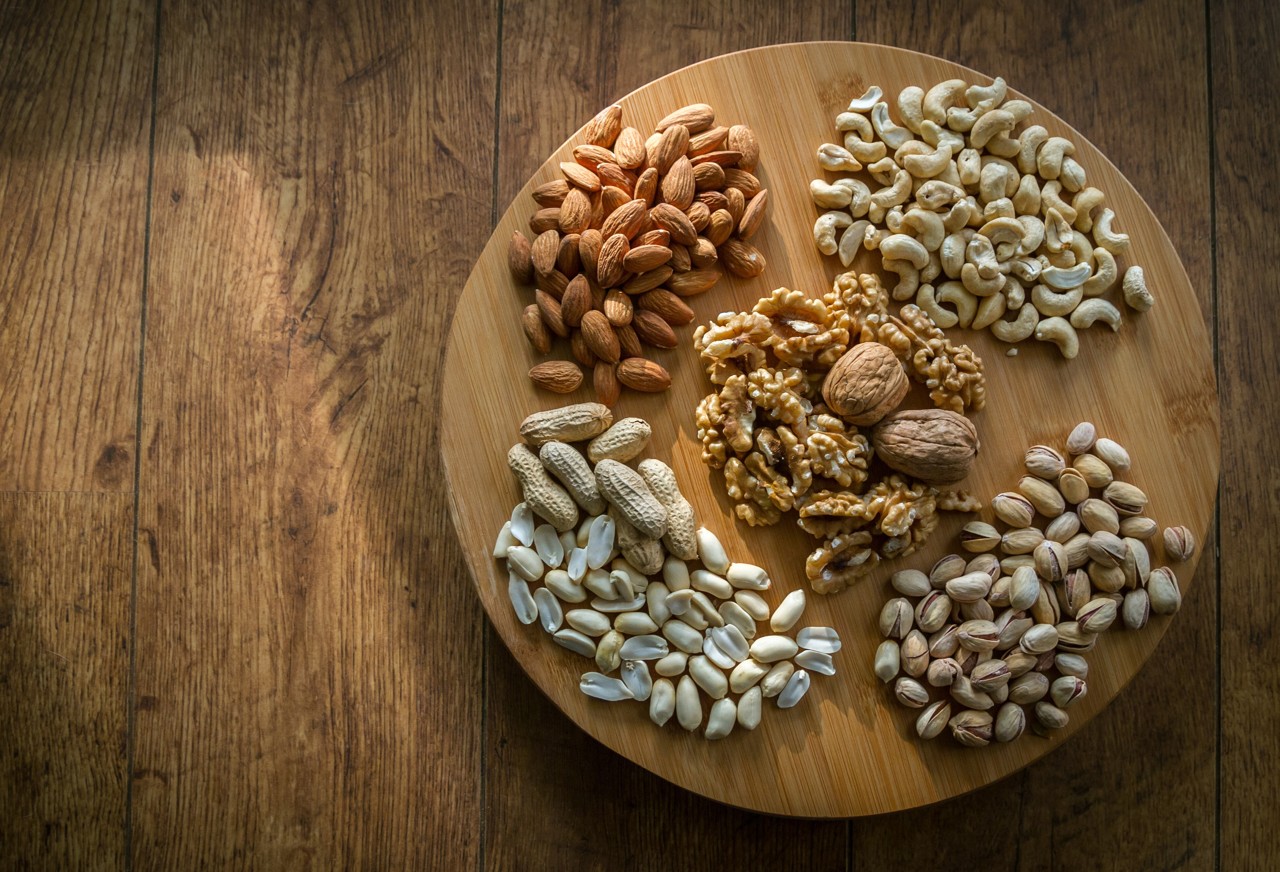
Food provides nutrients that support normal hair growth. Correcting a real vitamin or mineral deficiency may help some people with hair loss, but a supplement is not a general cure. Taking more than the body needs can cause harm, and some excess nutrients can make shedding worse.
Hair loss has many possible causes
Alopecia is the medical term for hair loss. It can be emotionally upsetting. Some thinning occurs with ageing, but genetics, inflammatory disease, cancer or its treatment, hormonal changes, stress, pregnancy, nutrient deficiencies and medicines can also play a part. Rapid major weight loss, a recent operation or an illness may contribute too.
The most common form in men and women is androgenetic alopecia, also called pattern hair loss. This inherited condition can begin after puberty and usually progresses gradually. Men may develop a receding hairline or thinning at the crown; women may notice the part in their hair becoming wider.
Another form, telogen effluvium, can cause a sudden increase in shedding one to six months after a major physical or emotional stressor. Possible triggers include severe illness, a crash diet, major surgery, pregnancy or psychological stress. The delay can make the connection difficult to recognise.
Alopecia areata is an autoimmune condition in which the immune system attacks hair follicles, often producing sudden round patches of hair loss. Its exact cause is not fully understood. It is more common among people with thyroid disorders.
These three forms are classed as nonscarring hair loss: the follicle is not permanently destroyed by scarring, so regrowth may be possible with time and suitable treatment. A 2024 clinical overview estimated that nonscarring forms account for about 73% of hair loss. This is a broad estimate, not a prediction that any individual has a 73% chance of regrowth.
Which nutrients support hair health?
Vitamins and minerals help support new hair growth and normal immune function. Relevant nutrients include vitamins A, B2 (riboflavin), B3 (niacin), B7 (biotin), B9 (folate), B12, C, D and E, together with iron, selenium and zinc. Needing these nutrients does not mean that taking extra supplements improves hair growth when levels are already adequate.
When correcting a deficiency may help
A varied, balanced diet supplies most people with the vitamins and minerals they need. If hair loss suggests a possible deficiency, a clinician can assess the symptoms and decide which blood tests are appropriate. Supplements should address an identified need rather than be chosen simply because a product promises thicker hair.
Vitamin D helps the cells involved in hair-follicle development and also supports bones and immune function. If a person has both hair loss and low vitamin D, their doctor may recommend a supplement. This does not establish vitamin D as a treatment for every type of hair loss.
Iron helps carry oxygen to hair follicles. If laboratory tests confirm iron deficiency in someone with hair loss, an iron supplement may be appropriate. Excess iron can be toxic, so use only the dose and duration advised by the treating clinician.
Vitamin C assists the absorption of iron from food. A clinician may consider it when iron deficiency and hair loss occur together. It should not be presented as a stand-alone remedy for hair loss without checking the cause.
More is not always better
Evidence is inconsistent for using extra vitamin A, vitamin E, zinc, selenium, riboflavin, folate, biotin or vitamin B12 to treat hair loss. A nutrient can be necessary for health without there being convincing evidence that additional pills help a person who is not deficient. Recommendations need to fit the individual and any relevant test results.
Too much vitamin A or selenium can itself increase hair loss. Excess vitamin A and iron can cause toxicity. High-dose products are therefore not harmless substitutes for medical assessment, even when sold as beauty or wellness supplements.
Biotin, also called vitamin B7, is common in products marketed for hair, skin and nails. Excess biotin can interfere with laboratory measurements, including thyroid-function and certain hormone tests. Tell the clinician and testing service about any biotin or other supplements you take, and follow their advice about preparation for a blood test rather than choosing a stopping interval yourself.
Treat the cause, not just the nutrient level
Correcting a genuine deficiency through diet and, when needed, a supplement may support regrowth or prevent further loss related to that deficiency. But micronutrient shortages are rarely the only possible explanation. If a medical condition, inherited pattern or major stressor is responsible, dietary changes and supplements alone may make little noticeable difference.
If you are losing more hair than usual, developing bald patches or seeing hair come out in clumps, speak with your GP. Examination, the history of the shedding and selected tests can help identify the cause; referral to a dermatologist may be appropriate. In Australia, advice from a doctor or pharmacist is recommended before starting hair-loss supplements. This information is general education, not a diagnosis or a personal treatment plan.