Want probiotics but dislike yogurt? Try these foods
Yogurt supplies protein and calcium as well as live cultures, but it is not the only fermented food you can put on the menu. Kefir, fermented vegetables, miso and other foods offer different tastes and textures. The important qualification is that a fermented food is not automatically a proven probiotic treatment: its microorganisms, processing and storage all matter.
What probiotics can and cannot promise
Probiotics are live microorganisms, including certain bacteria and yeasts, that provide a health benefit when consumed in an adequate amount. They can support functions of the gut microbiome, including digestion, nutrient handling and defence against harmful organisms. Benefits depend on the particular microorganism and the health outcome being studied; one food or strain cannot be assumed to have every reported benefit.
There is no single recommended daily intake of probiotics comparable to a vitamin requirement. The amount and types naturally present in foods vary, and often are not known. A varied diet can include suitable cultured foods, but this does not establish a dose for treating a disease. Ask a doctor or dietitian about a specific symptom rather than choosing a product solely by its marketing.
Names on labels may include Lactobacillus and Bifidobacterium, sometimes shortened to L. and B. Lactobacillus acidophilus, for example, may appear as L. acidophilus. Those names identify groups or species; a fully identified probiotic strain has additional identifying details. Different strains may have different effects, even when their names look similar.
If you do eat yogurt, read the label
Look for wording such as live and active cultures, and compare added sugar in flavoured or fruit varieties. Some US products display a voluntary Live & Active Cultures seal associated with a dairy-industry programme. That seal is not an Australian requirement, and its absence does not by itself mean that a yogurt lacks live cultures.
Seven alternatives and how to use them
Kefir is a tart, pourable cultured drink, usually thinner than yogurt. Dairy versions are common, while alternatives can be made with coconut water, coconut milk or rice milk. It can be drunk on its own or blended into a smoothie. Fruit, cinnamon, vanilla or pumpkin spice can change the flavour. Check the product for its cultures, ingredients and sugar rather than assuming all versions are equivalent.
Kimchi is a seasoned fermented vegetable dish, often made with cabbage, garlic, salt and chilli. It can be served alongside a meal, mixed with rice or noodles, or added to eggs or potatoes. Recipes and commercial processing differ, so the presence of kimchi on a label does not guarantee a particular live organism or a tested probiotic effect.
Kombucha is fermented tea with a tangy taste. It may contain caffeine, residual sugar and alcohol, with amounts varying between products and as fermentation continues. Compare labels and serving sizes. A practical lower-sugar choice is no more than 5 grams of sugar per serving, but a larger bottle can contain several servings. Kombucha is not necessary for gut health and is not a suitable choice for everyone.
Miso is a salty fermented paste used in Japanese cooking, made from soybeans and often rice or other grains. Small quantities can flavour a dip, a spread or a marinade for vegetables, fish or meat. Its salt content makes portion size worth considering. Heating and processing affect whether live cultures remain, so cooked miso should not be treated as a guaranteed source of live probiotics.
Pickles differ. Vegetables fermented in salt-water brine may contain live cultures if they have not subsequently been heat-treated. Vegetables simply preserved in vinegar are not the same as naturally fermented pickles, and many commercial pickles have no live cultures by the time they are eaten. Read the processing and storage information rather than relying on the word pickled.
Sauerkraut is fermented cabbage. It can be mixed into salads, served with vegetables or used as a topping. Unheated versions can retain more live fermentation organisms than pasteurised products. That is a distinction about live cultures, not a reason to ignore food-safety advice or a guarantee of a particular clinical benefit.
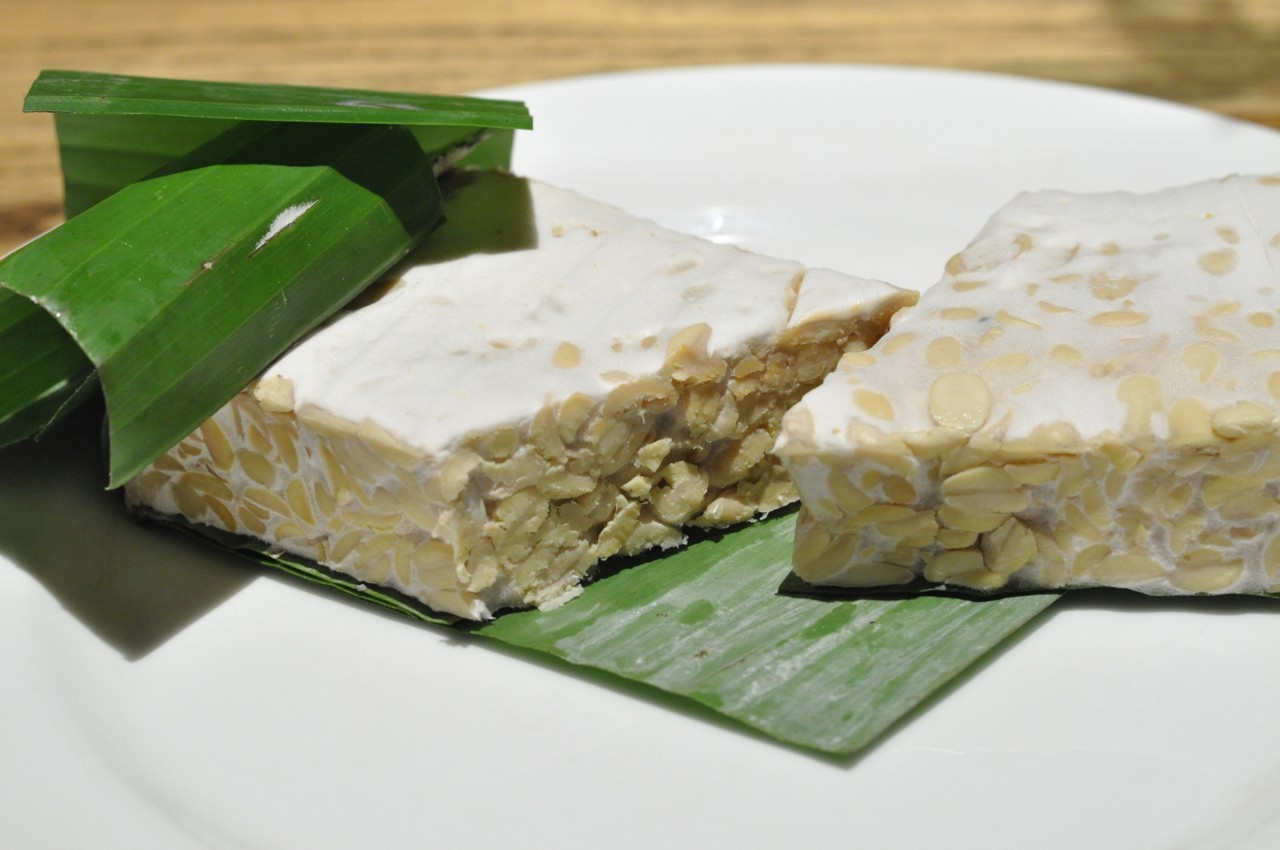
Tempeh is a firm cake of fermented soybeans, commonly used as a meat alternative. It can become a burger patty or be added to pasta sauce. Some products are sold cooked or ready to eat; others require cooking. Always follow the package directions. Fermentation does not make an uncooked product safe to eat, and cooking can reduce or remove live microorganisms.
Food safety comes before live cultures
Fermentation needs controlled conditions, clean equipment, suitable ingredients and correct storage. It is not safe to improvise a home fermentation recipe or assume that a sour taste proves a food is safe. Follow a reliable tested process and the storage instructions for a commercial product. Dairy fermentation should start with pasteurised milk.
Pregnant people, older adults and people with weakened immune systems face greater consequences from foodborne infections. They should choose safer foods and seek individual advice before adding raw or unpasteurised fermented products or fermented drinks. Kombucha can present alcohol and contamination concerns. People who are immunocompromised or seriously ill should not start probiotics without their treating team; probiotic supplements are not a substitute for medical care.
A food can still be a useful part of a varied diet even if it has no live cultures when eaten. Aim for dietary variety rather than a promise that one jar or drink will transform your gut. If probiotics cause bloating, gas or diarrhoea, or you have a medical condition or take regular medicines, ask a doctor or dietitian what is appropriate for you.