What is the "gout diet"?
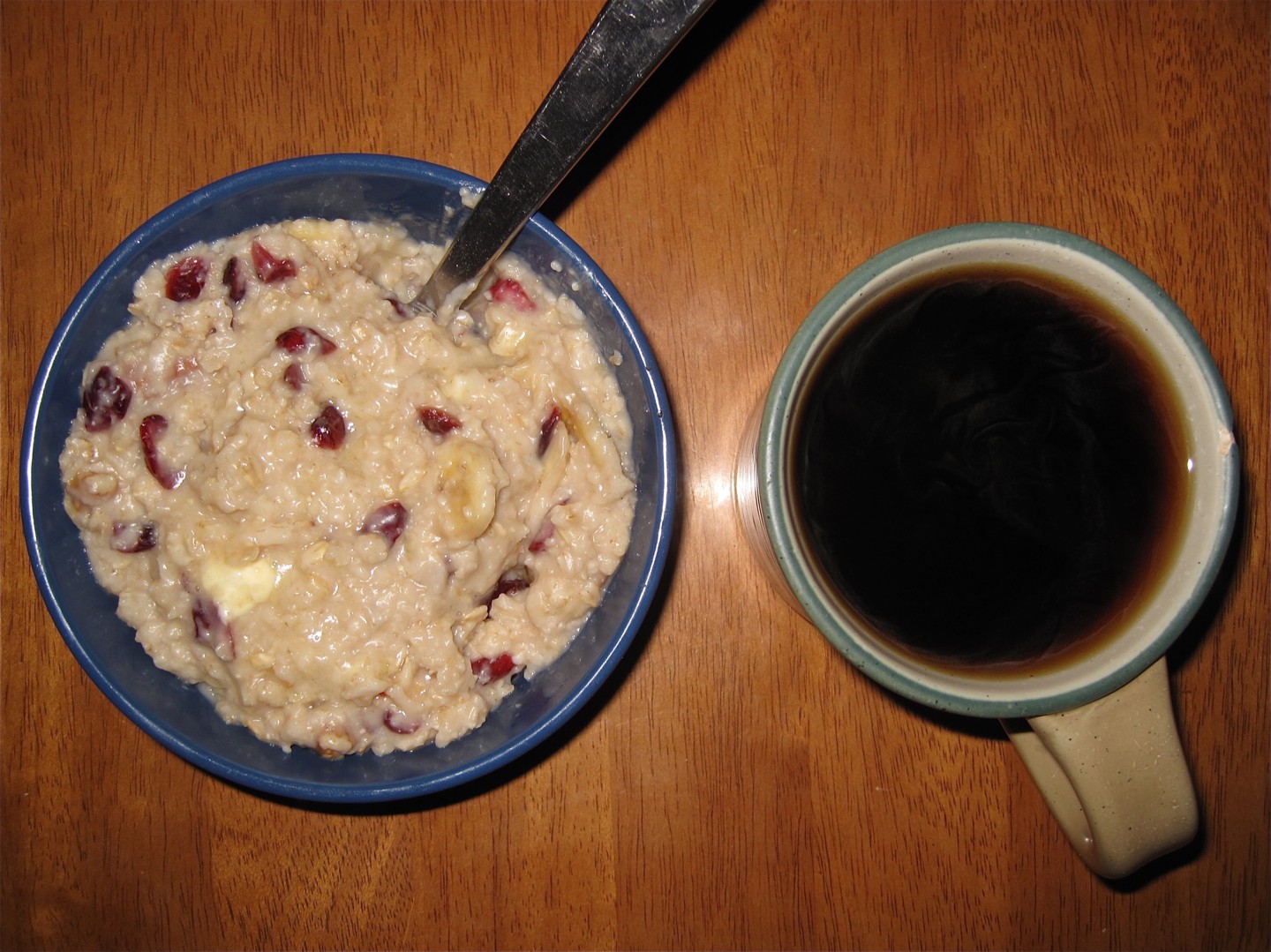
A gout-friendly diet is usually less about a long list of forbidden foods and more about a balanced eating pattern. Plant-forward Mediterranean-style meals can support general and heart health as well as gout management. Food choices can help, but they do not replace the medicines many people need to control urate and prevent attacks.
A common form of inflammatory arthritis
Gout is described as the most common inflammatory arthritis. A 2024 study cited in the source estimated more than 55 million affected people worldwide. Men are about three times as likely as women to develop it, though the gap narrows after menopause. The source reports that incidence has doubled in three decades and suggests rising obesity may be one contributing factor, not a proven single explanation.
How urate crystals cause a flare
Purines occur naturally in body cells and many foods. Breaking them down produces uric acid, also called urate. Most is normally carried in the blood and removed through the kidneys in urine, with some leaving in stool. If production is too high or removal is insufficient, urate can accumulate and form needle-like crystals in joints.
The immune response to those crystals causes intense inflammation, pain and swelling. The big toe is a familiar site, but ankles, knees, wrists and almost any other joint can be affected. Treatment aims to stop future flares and gradually dissolve the crystals, commonly through both medicine and lifestyle changes.
Choose an overall eating pattern
Research links varied plant-forward diets with lower gout rates, and trials of Mediterranean and DASH eating patterns have found reductions in uric acid. These findings do not mean that a particular food cures gout or that diet alone will keep every person below a treatment target.
Build meals around vegetables, fruit, whole grains, olive oil and avocado. They supply plant compounds associated with anti-inflammatory effects. Low-fat dairy has been linked with lower uric acid. Fibre supports a diverse community of gut microbes, which may influence urate removal; that proposed pathway is still being studied. Limit red meat and added sugars rather than seeking a single special ingredient.
Animal foods that may need limits
High-purine choices to limit or avoid include organ meats such as liver, kidney and sweetbreads; red meat; game such as venison, boar and bison; and gravies or meat-based sauces. Seafood examples in the source include shellfish, trout, haddock, anchovies, sardines and herring. A dietitian can help find alternatives without making the diet unnecessarily restrictive.
Purines in vegetables do not appear to carry the same risk as purine-rich animal foods. Asparagus and spinach, for example, have not shown the same association with increased gout risk; the reason is uncertain. A very strict low-purine diet can be difficult to sustain and is less reliable than appropriate medication for preventing attacks. Do not stop prescribed treatment because you have changed what you eat.
Alcohol and sweetened drinks
Alcohol, particularly beer and spirits, can interfere with urate handling and contribute to dehydration. Beer also supplies purines. Keep drinking occasional if you drink at all, and avoid alcohol during a flare. Cutting down sugary drinks, including those made with high-fructose corn syrup, is another practical step.
Higher consumption of high-fructose corn syrup products has been associated with gout. Fructose, which is also part of table sugar, may accelerate purine breakdown and increase uric acid, although the exact explanation is not settled. Excess added sugar can also promote inflammation. These observations support reducing sugary processed foods, not removing all whole fruit.
Weight and hydration need a steady approach
If you have excess weight, gradual weight loss can be part of a management plan. Crash dieting and prolonged fasting can raise gout risk and should not be used as a quick fix. Drink enough water to avoid dehydration, but follow any fluid limits your clinician has set for kidney, heart or other conditions.
Know when a joint needs medical review
A suddenly hot, swollen, very painful joint needs medical assessment, particularly with fever, feeling unwell or new symptoms. Do not assume every painful big toe is gout. A doctor may examine joint fluid for crystals and use blood tests or imaging where appropriate. Treatment for an acute flare and long-term urate-lowering treatment have different jobs; your clinician should guide both.
Gout is treatable, and many people can reduce flares with medicines plus sustainable lifestyle changes. Discuss your own triggers, medicines, kidney health and food preferences with a doctor or dietitian. This is general information, not an individual diagnosis or a reason to start, stop or change a medicine yourself.