New approaches to colorectal cancer screening

Colorectal cancer is a leading cause of cancer death, yet it is one of the most preventable: screening finds polyps before they turn malignant and catches cancers early, when treatment works best. Because cases are rising in younger adults, screening now starts at 45 for average-risk people rather than 50.
Colonoscopy remains the most thorough test. Done every ten years when normal, it both finds and removes polyps in one session - screening and prevention combined.
Stool-based tests offer a simpler route. The FIT test, done at home every year, detects hidden blood; stool DNA tests, repeated every one to three years, add detection of cancer-linked genetic changes. Both are convenient, but a positive result must be followed up with a colonoscopy.
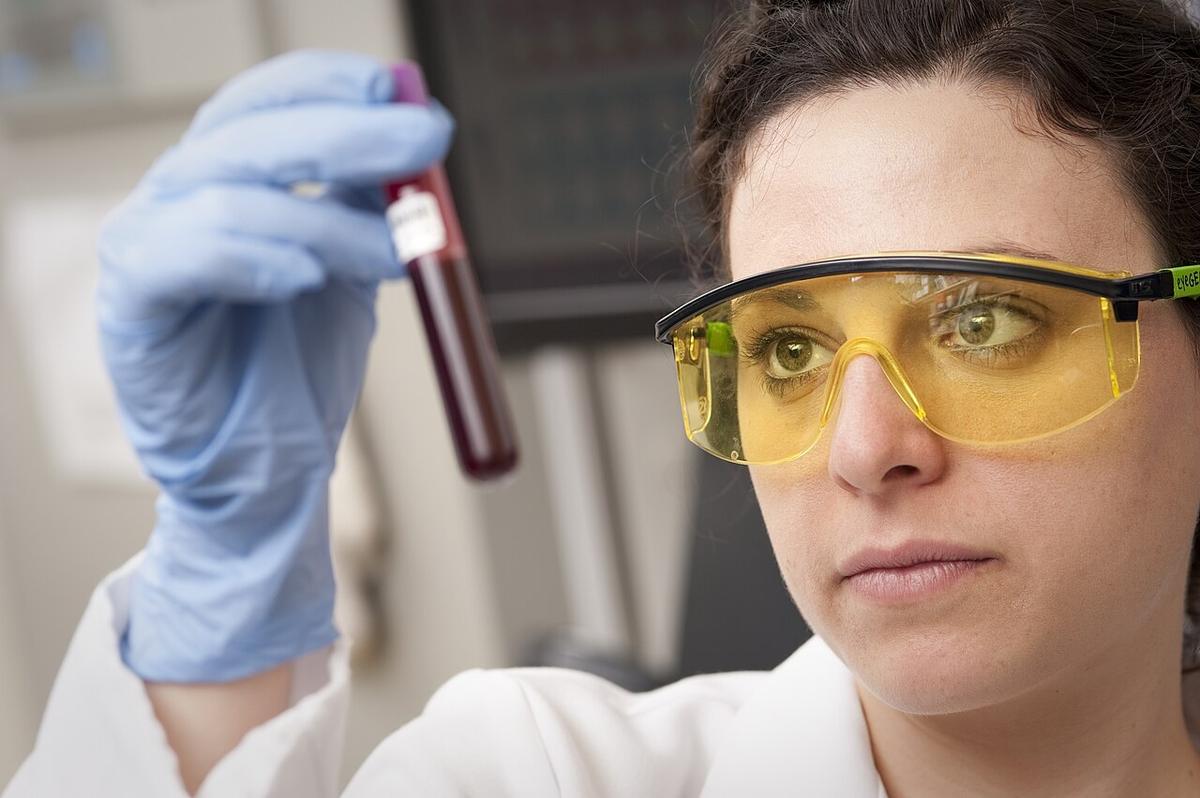
Newer options are widening the net. CT colonography - a virtual colonoscopy using scans - is done every five years and needs no sedation, though it still requires bowel prep. The newest arrival is a blood test that detects tumour DNA circulating in the bloodstream; it is far less invasive, though currently less sensitive than colonoscopy, and a positive also needs colonoscopic confirmation.
The best test is the one that actually gets done - ask your doctor which option fits your risk and circumstances.