Not your grandmother's breast cancer treatment
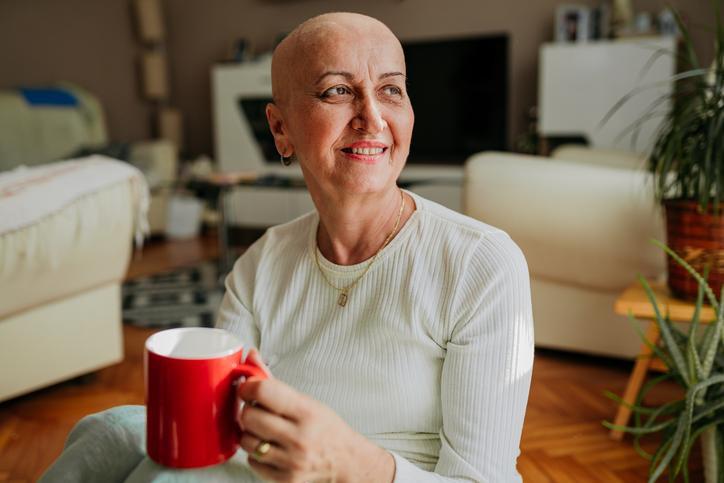
Recent advances have transformed a one-size-fits-all approach into a personalized treatment arsenal.
Some things never change: a breast cancer diagnosis still brings a storm of anxiety, just as it did decades ago, even though survival rates have soared. While more than two million women worldwide are diagnosed with breast cancer each year, the average risk of dying within the following five years has fallen from 14% to 5% since just the 1990s, according to a June 2023 study of more than half a million women.
"For many women, a breast cancer diagnosis is particularly unsettling because we often don't know why a patient developed it," says a medical oncologist at a leading cancer center. "But the good news is, outcomes are getting better and better."
There is good reason for this survival swing. Breast cancer was once seen as a single disease needing a single treatment approach; scientists can now categorize breast tumors by cell type, opening the door to treatment combinations tailored to each.
Surgery remains standard for most types of breast cancer. But chemotherapy, once a mainstay, may now be given in smaller amounts or skipped entirely. Meanwhile, newer drugs let doctors personalize each woman's options. These include immunotherapy, which enlists the immune system to kill cancer cells, and targeted therapies aimed at gene mutations or proteins active in cancer growth.
"As we recognize these important subsets of breast cancer, we're tailoring treatment to the individual and the special characteristics of each breast cancer," the oncologist says. "There isn't an infinite number of treatments, but the toolbox keeps getting bigger."
Why treatments are improving
Even the past 10 years have brought marked shifts in approach, thanks to extensive research clarifying how genes and cells behave in various cancer subtypes. That work fueled groundbreaking tests: some identify women with BRCA gene mutations that drastically raise breast cancer risk, while others help predict how likely a tumor is to grow or spread, sharpening treatment decisions.
These efforts have shown that some breast cancers may respond to less intensive chemotherapy, while one especially aggressive type needs more.